Carija quarry
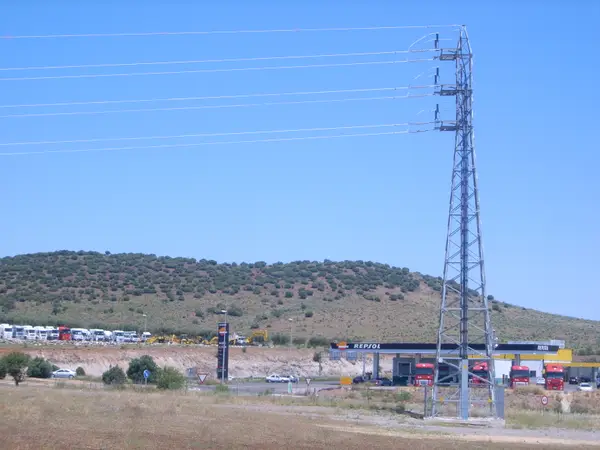
A Roman quarry in the Sierra de Carija, between the city of Mérida and the Roman reservoir of Proserpina, north-west of the old Augusta Emerita. Sierra Carija has been part of the Mérida landscape for more than 2,000 years and stands out for its limestone geology, a resource fundamental to building the Roman colony founded by the emperor Augustus around 25 BC.
- Type
- Mine/Quarry
- Preservation
- —
- Protection
- Inventoried · Nivel B-54
- Coordinates
- 38.94702, -6.38121
- Photographs
- 1
What it is and what is left
Research by the Mérida Institute of Archaeology, the CSIC and the Technological Institute of Ornamental Rock and Building Materials (INTROMAC) has identified Sierra Carija as one of the extraction areas that may have supplied stone (mainly limestone) to the Roman city. Other nearby quarries identified in the same study are Sierra Berrocal, Finca Royanejos, Finca Cuarto de la Charca and Finca Los Baldíos, which supplied mainly granite and diorite for building the city's theatre and amphitheatre, declared a UNESCO World Heritage site in 1993.
The name «Carija» may be connected with Publius Carisius, legate of the emperor Augustus, who played a decisive part in establishing Augusta Emerita. The quarry, which preserves evidence of historical working, remained active in later periods; a modern mining concession was declared inactive more than a decade ago. Secondary uranium-vanadium minerals (tyuyamunite), typical of the alteration of limestone, have been recorded on the site. (Location approximate.)
What each period left here
It reads downwards: each band is a period with fabric in this site, newest first, deepest last.
3 facts
1 photographs
Roman
This site has fabric from this period. Mérida has 57 more sites built in the same layer.
See the whole layer →The place name «Carija» keeps the memory of Publius Carisius, the general who almost certainly was the deductor — the man who physically founded the colony: two thousand years on, the quarry range is still named after him.
«A Tale of Two Colonies: Augusta Emerita and Metellinum» (Oxbow, 2011)On the eastern slope of the range a track was found starting from the quarries themselves: it may be the road down which the Roman builders brought the blocks to the city.
Comunidad de Madrid — Investigan los materiales pétreos de la Mérida romanaThere is not one quarry but a spread of them: the extraction areas that could have supplied the city are Sierra Berrocal, Sierra Carija, the Royanejos estate, the Cuarto de la Charca and Los Baldíos.
Comunidad de Madrid — Investigan los materiales pétreos de la Mérida romana
Below the deepest layer of each site is the ground itself: what has not been excavated yet, or what left nothing built. The catalogue only claims what is documented.
A short walk from here
Straight-line distances, worked out from the coordinates of each site.
Where this page comes from
- Ficha en Vici.org vici.org
- Cantera Carija – MTI Minas Extremadura (mineralogía) mti-minas-extremadura.blogspot.com