1 listed
2 facts
Modern
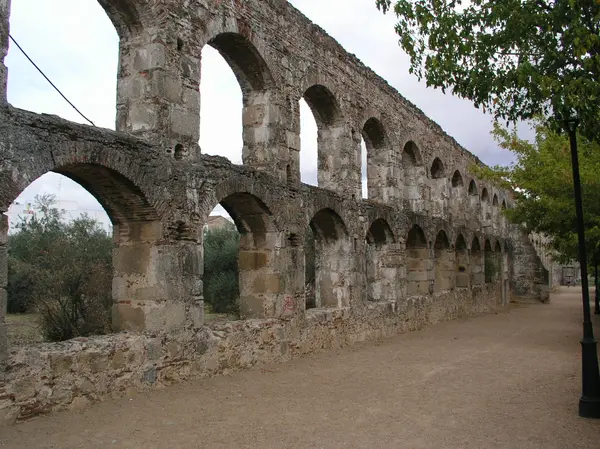
2 sites cataloguedThe living city still runs on Roman engineering: the San Lázaro aqueduct was raised higher to supply Mérida into the 20th century, and the Vía de la Plata — the Roman road north — is now a signposted branch of the Camino de Santiago.
 2facts
San Lázaro aqueduct: early modern stretch
Aqueduct
Trackno photograph yet
Vía de la Plata: today’s Camino de Santiago route
Track
2facts
San Lázaro aqueduct: early modern stretch
Aqueduct
Trackno photograph yet
Vía de la Plata: today’s Camino de Santiago route
Track
Cutting a pedestrian passage under the aqueduct revealed what it was carrying inside: one lead pipe and two more of ceramic, embedded in the wall.
Visitar Mérida — Acueducto de San Lázaro6 listed
38 facts
Early modern
9 sites cataloguedWhen the quarries ran dry, builders took what Rome had left. The Temple of Diana was swallowed by a nobleman's palace, and the cathedral went up on columns and capitals lifted from the colony.
 3facts
Temple of Mars
Temple
3facts
Temple of Mars
Temple
 4facts
Basilica of Santa Eulalia
Church/Chapel
4facts
Basilica of Santa Eulalia
Church/Chapel
 5facts
Roman bridge over the Guadiana
Bridge
5facts
Roman bridge over the Guadiana
Bridge
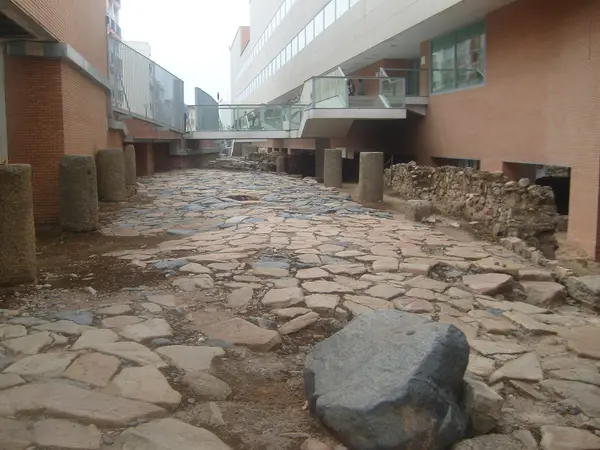 7facts
Morerías archaeological site
Town
7facts
Morerías archaeological site
Town
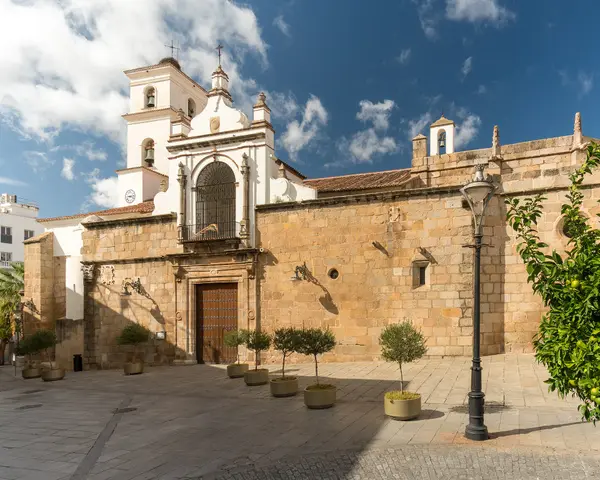 6facts
Co-cathedral of Santa María la Mayor
Church/Chapel
6facts
Co-cathedral of Santa María la Mayor
Church/Chapel
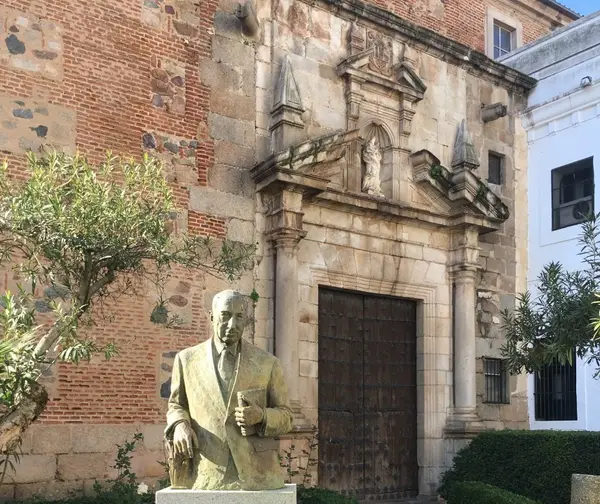 6facts
Santa Clara church: the MNAR Visigothic collection
Museo arqueológico
6facts
Santa Clara church: the MNAR Visigothic collection
Museo arqueológico
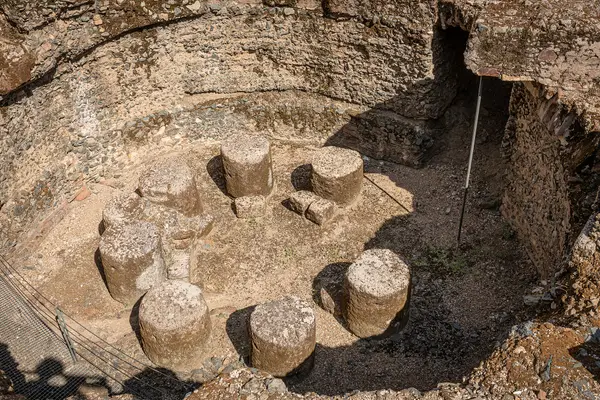 3facts
Baths and ice well
Baths
2facts
San Lázaro aqueduct: early modern stretch
Aqueduct
Bridgeno photograph yet2facts
Roman bridge of La Alcantarilla
Bridge
3facts
Baths and ice well
Baths
2facts
San Lázaro aqueduct: early modern stretch
Aqueduct
Bridgeno photograph yet2facts
Roman bridge of La Alcantarilla
Bridge
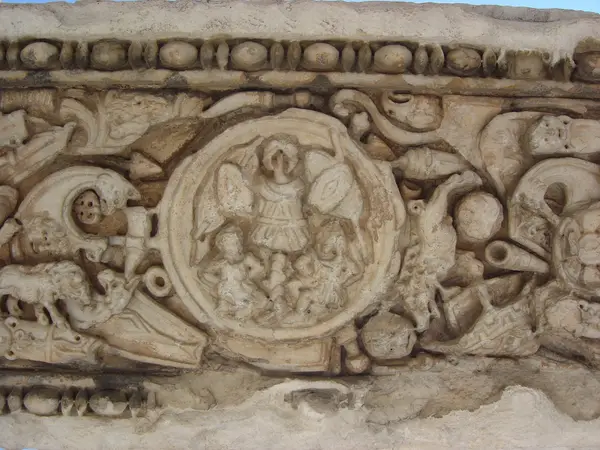
A fourth complete architrave from the temple served as a doorstep until 1942, when it was finally moved to the National Museum of Roman Art. For centuries people simply trod on a piece of the temple front.
Extremadura: caminos de cultura — Restos del Templo de Marte en el Hornito4 listed
36 facts
Christian medieval
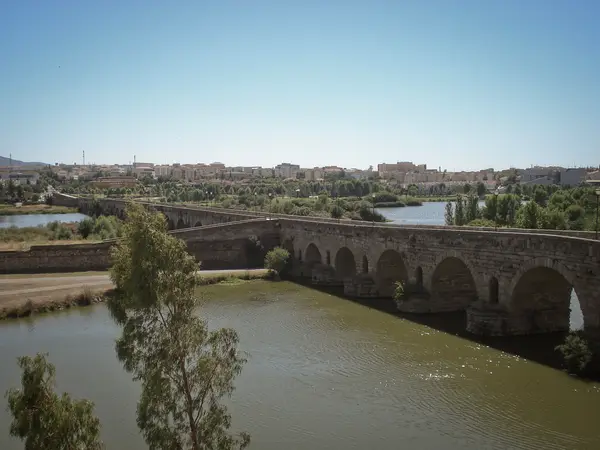
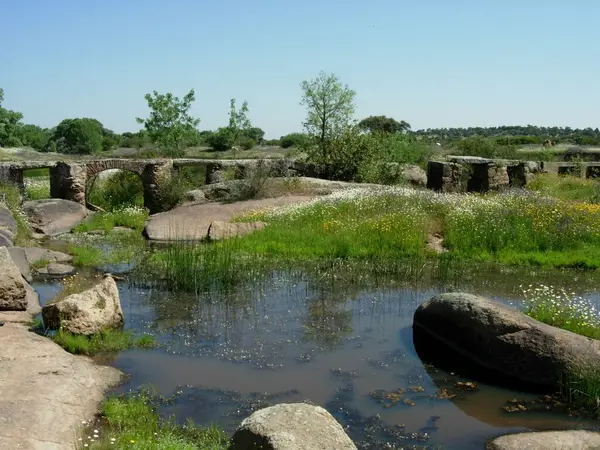
9 sites cataloguedAfter 1230 Mérida belongs to the Order of Santiago. The citadel is rebuilt, the cathedral raised, and the Roman bridges patched with pointed arches you can still pick out with the naked eye.
 7facts
The Alcazaba of Mérida
Castle
4facts
Basilica of Santa Eulalia
Church/Chapel
5facts
Roman bridge over the Guadiana
Bridge
7facts
The Alcazaba of Mérida
Castle
4facts
Basilica of Santa Eulalia
Church/Chapel
5facts
Roman bridge over the Guadiana
Bridge
 Medieval bridge of Las Tiendas
Bridge
7facts
Morerías archaeological site
Town
6facts
Co-cathedral of Santa María la Mayor
Church/Chapel
Church/Chapelno photograph yet3facts
Hermitage of San Serván and San Germán
Church/Chapel
Mansio romanano photograph yet4facts
Evandriana: Roman mansio and monastery of Cauliana
Mansio romana
Trackno photograph yet
Vía de la Plata: today’s Camino de Santiago route
Track
Medieval bridge of Las Tiendas
Bridge
7facts
Morerías archaeological site
Town
6facts
Co-cathedral of Santa María la Mayor
Church/Chapel
Church/Chapelno photograph yet3facts
Hermitage of San Serván and San Germán
Church/Chapel
Mansio romanano photograph yet4facts
Evandriana: Roman mansio and monastery of Cauliana
Mansio romana
Trackno photograph yet
Vía de la Plata: today’s Camino de Santiago route
Track
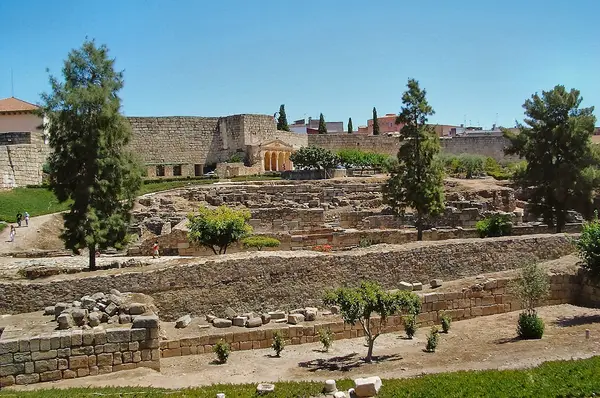
It is the oldest Muslim fortification surviving in the Iberian Peninsula: the emir Abd al-Rahman II had it raised in the year 835, and not to defend the city from anyone outside, but to hold down a Mérida in permanent revolt.
Alcazaba de Mérida — Wikipedia4 listed
26 facts
Islamic (al-Andalus)
5 sites cataloguedAbd al-Rahman II ordered the alcazaba built in 835 to hold down a city that kept rising against him. It is the oldest surviving Muslim fortress in the Iberian Peninsula, and its cistern draws straight from the Guadiana.
7facts
The Alcazaba of Mérida
Castle
 4facts
Roman wall and Albarrana tower
City wall
7facts
Morerías archaeological site
Town
4facts
Roman wall and Albarrana tower
City wall
7facts
Morerías archaeological site
Town
 5facts
Early Christian basilica of Casa Herrera
Church/Chapel
3facts
Baths and ice well
Baths
5facts
Early Christian basilica of Casa Herrera
Church/Chapel
3facts
Baths and ice well
Baths
It is the oldest Muslim fortification surviving in the Iberian Peninsula: the emir Abd al-Rahman II had it raised in the year 835, and not to defend the city from anyone outside, but to hold down a Mérida in permanent revolt.
Alcazaba de Mérida — Wikipedia3 listed
41 facts
Late Antique / Visigothic
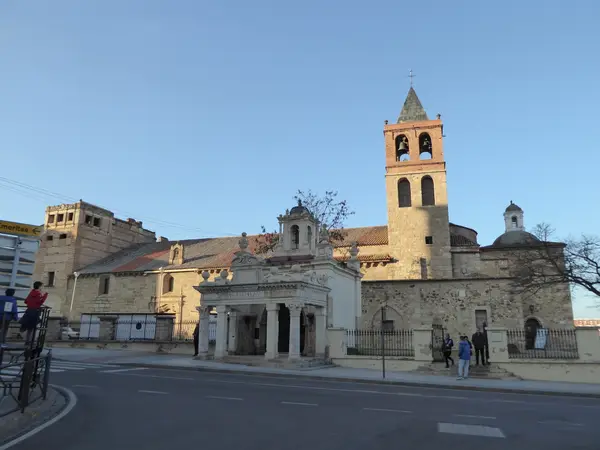
8 sites cataloguedMérida is a capital and a metropolitan see. This is where the xenodochium of bishop Masona stood — a 6th-century hospital — and where Spain's finest collection of Visigothic sculpture was found, now held in the church of Santa Clara.
4facts
Basilica of Santa Eulalia
Church/Chapel
7facts
Morerías archaeological site
Town
6facts
Co-cathedral of Santa María la Mayor
Church/Chapel
6facts
Santa Clara church: the MNAR Visigothic collection
Museo arqueológico
5facts
Early Christian basilica of Casa Herrera
Church/Chapel
3facts
Baths and ice well
Baths
Xenodoquio visigodono photograph yet6facts
Xenodochium of Mérida: bishop Masona’s hospital
Xenodoquio visigodo
Mansio romanano photograph yet4facts
Evandriana: Roman mansio and monastery of Cauliana
Mansio romana
The «hornito» on the front is built from the stones of a Roman temple: on its porch you can still read «Marti sacrum Vetilla Paculi», the dedication to Mars paid for by Vetilla, wife of Paculus, reused for a Baroque chapel in honour of a Christian martyr.
Ruta de la Plata — Templo de Marte y cripta de Santa Eulalia36 listed
163 facts
Roman
58 sites cataloguedAugusta Emerita, founded in 25 BC for veterans of the Cantabrian wars. Capital of Lusitania and later of the whole Diocese of Hispania: theatre, amphitheatre, circus, two fora, two aqueducts, two dams and a ring of country villas.
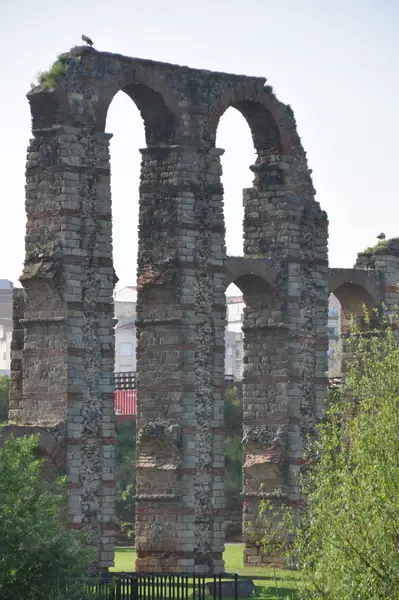 16facts
Los Milagros aqueduct
Aqueduct
16facts
Los Milagros aqueduct
Aqueduct
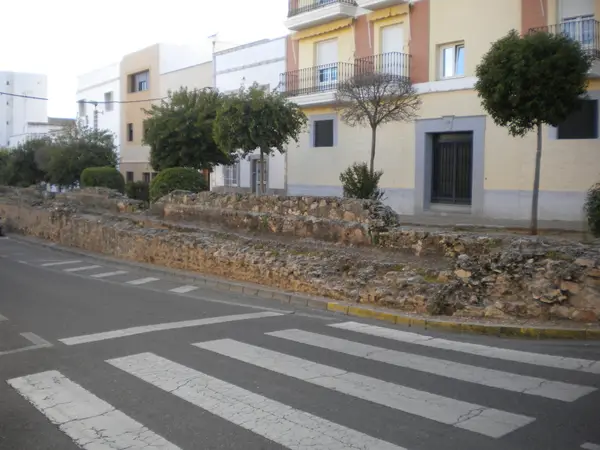 3facts
Cornalvo aqueduct
Aqueduct
3facts
Cornalvo aqueduct
Aqueduct
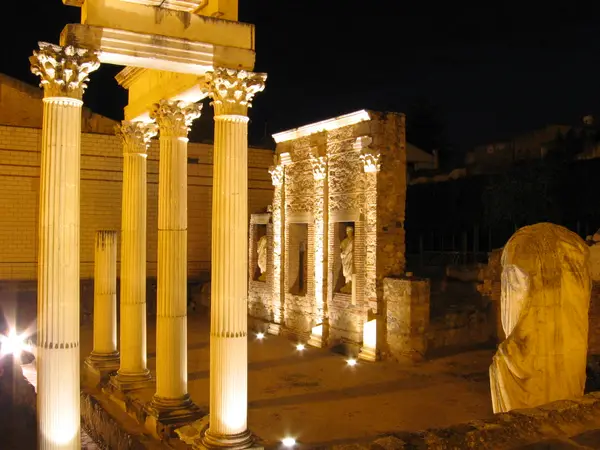 3facts
Forum of Augusta Emerita
Forum
3facts
Temple of Mars
Temple
3facts
Forum of Augusta Emerita
Forum
3facts
Temple of Mars
Temple
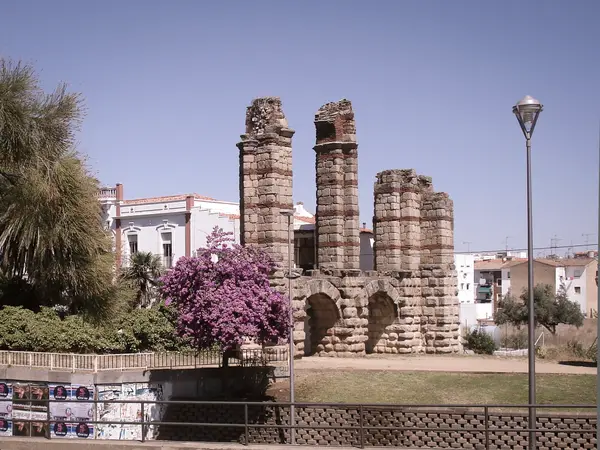 1fact
San Lázaro aqueduct
Aqueduct
7facts
The Alcazaba of Mérida
Castle
1fact
San Lázaro aqueduct
Aqueduct
7facts
The Alcazaba of Mérida
Castle
 6facts
Casa del Mitreo
Villa
6facts
Casa del Mitreo
Villa
 6facts
Columbarios funerary area
Necropolis
4facts
Basilica of Santa Eulalia
Church/Chapel
4facts
Roman wall and Albarrana tower
City wall
6facts
Columbarios funerary area
Necropolis
4facts
Basilica of Santa Eulalia
Church/Chapel
4facts
Roman wall and Albarrana tower
City wall
 3facts
Carija quarry
Mine/Quarry
5facts
Roman bridge over the Guadiana
Bridge
3facts
Carija quarry
Mine/Quarry
5facts
Roman bridge over the Guadiana
Bridge
 3facts
Roman bridge over the Albarregas
Bridge
3facts
Roman bridge over the Albarregas
Bridge
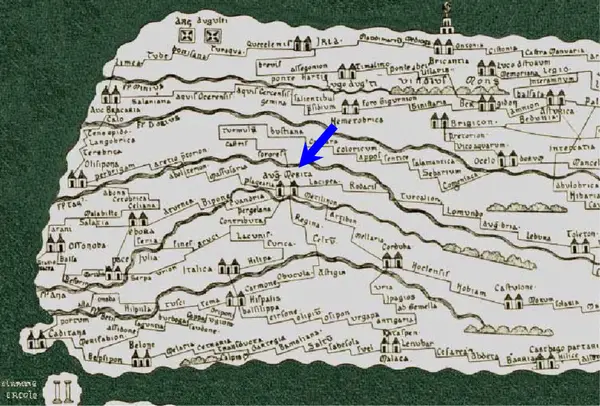 Decumanus Maximus
Roman road
Decumanus Maximus
Roman road
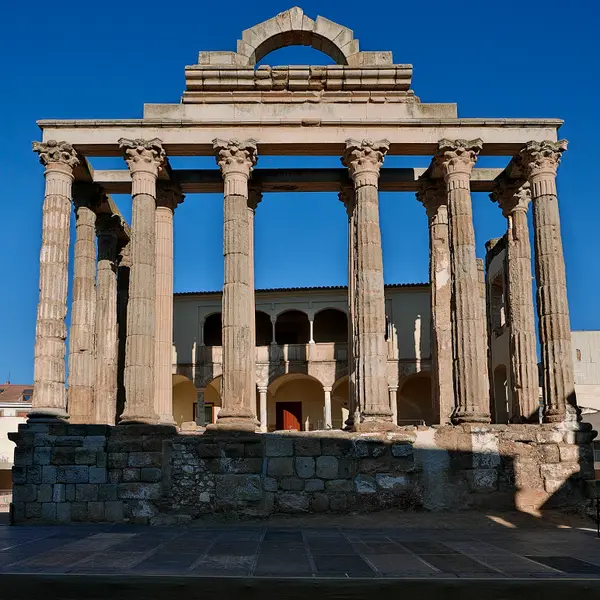 8facts
Temple of Diana
Temple
8facts
Temple of Diana
Temple
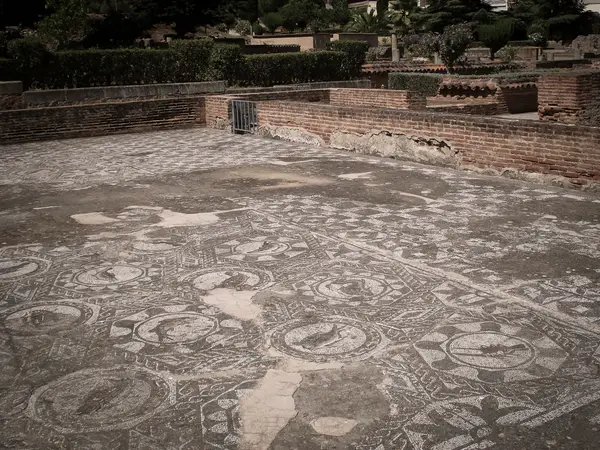 7facts
Casa del Anfiteatro
Villa
7facts
Morerías archaeological site
Town
7facts
Casa del Anfiteatro
Villa
7facts
Morerías archaeological site
Town
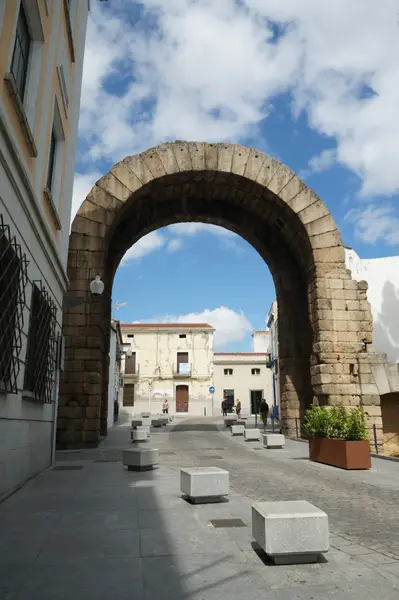 6facts
Arch of Trajan
Arco monumental romano
6facts
Co-cathedral of Santa María la Mayor
Church/Chapel
6facts
Arch of Trajan
Arco monumental romano
6facts
Co-cathedral of Santa María la Mayor
Church/Chapel
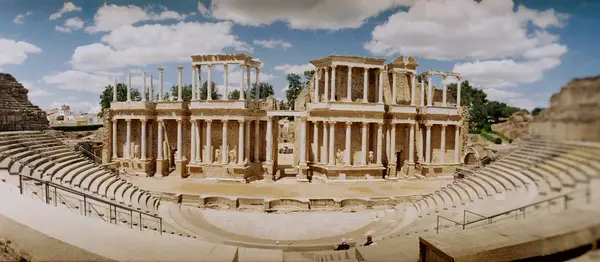 6facts
Roman theatre of Mérida
Theatre
5facts
Early Christian basilica of Casa Herrera
Church/Chapel
6facts
Roman theatre of Mérida
Theatre
5facts
Early Christian basilica of Casa Herrera
Church/Chapel
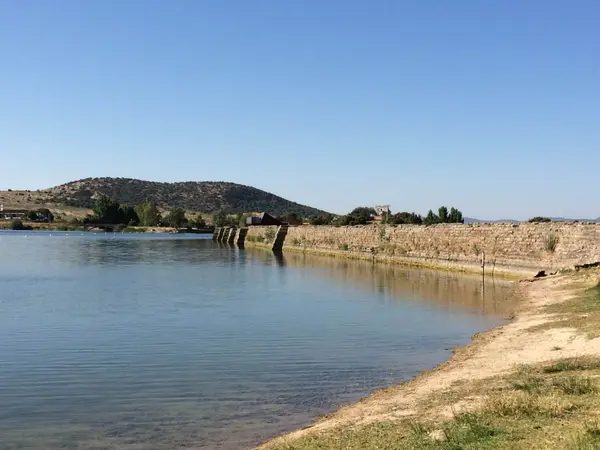 5facts
Proserpina dam
Presa/embalse romano
5facts
Proserpina dam
Presa/embalse romano
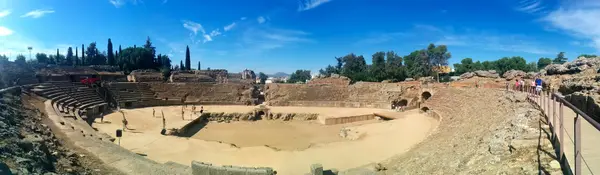 5facts
Roman amphitheatre of Mérida
Amphitheatre
5facts
Roman amphitheatre of Mérida
Amphitheatre
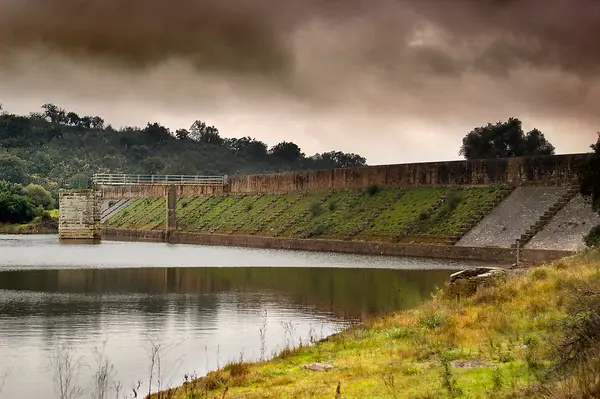 5facts
Roman dam of Cornalvo
Presa / embalse romano
5facts
Roman dam of Cornalvo
Presa / embalse romano
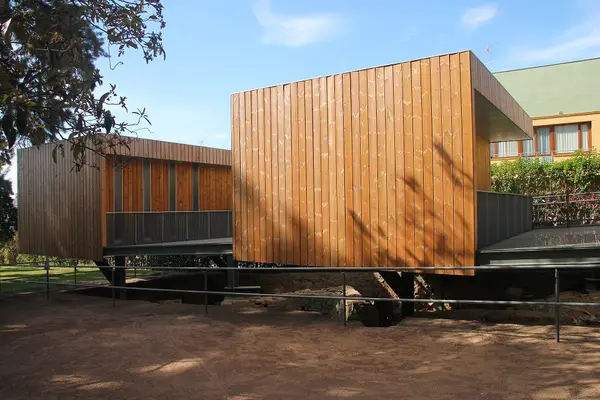 4facts
National Museum of Roman Art (MNAR)
Museo arqueológico
4facts
National Museum of Roman Art (MNAR)
Museo arqueológico
 4facts
Roman circus of Mérida
Circus
4facts
Roman circus of Mérida
Circus
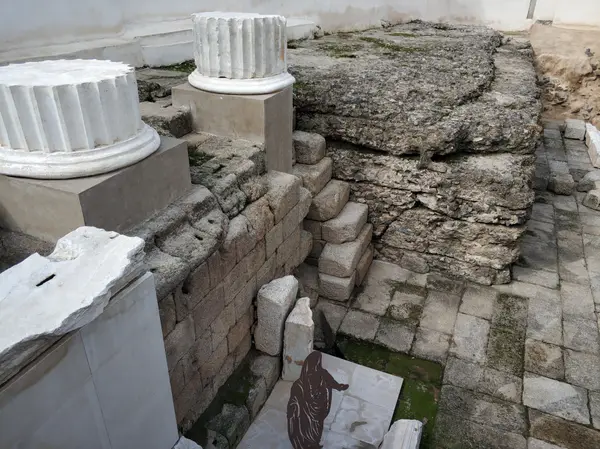 4facts
Temple of the imperial cult
Temple
3facts
Baths and ice well
Baths
4facts
Temple of the imperial cult
Temple
3facts
Baths and ice well
Baths
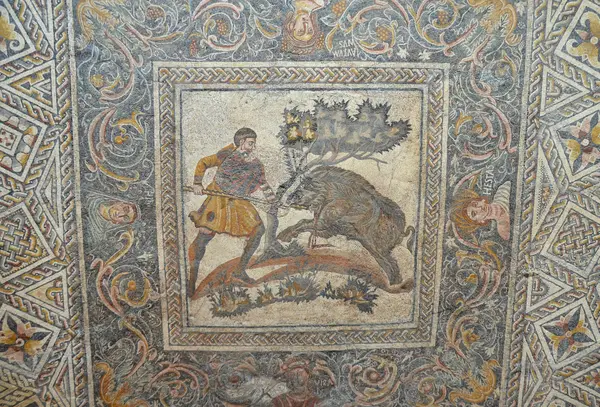 3facts
Roman villa of El Hinojal
Villa
3facts
Roman villa of El Hinojal
Villa
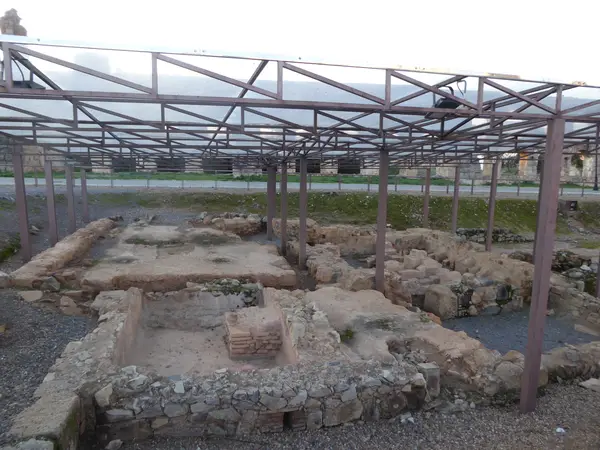 3facts
San Lázaro baths
Baths
3facts
San Lázaro baths
Baths
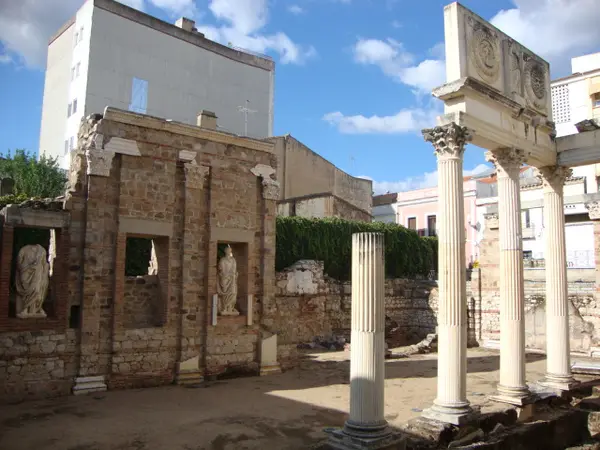 2facts
Archaeological Ensemble of Mérida
Conjunto arqueológico / Patrimonio Mundial UNESCO
2facts
Archaeological Ensemble of Mérida
Conjunto arqueológico / Patrimonio Mundial UNESCO
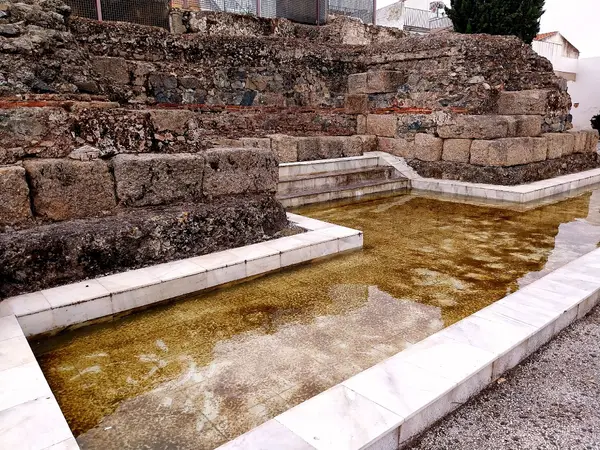 Castellum aquae at Cerro del Calvario
Castellum aquae (torre de agua)
Castellum aquae at Cerro del Calvario
Castellum aquae (torre de agua)
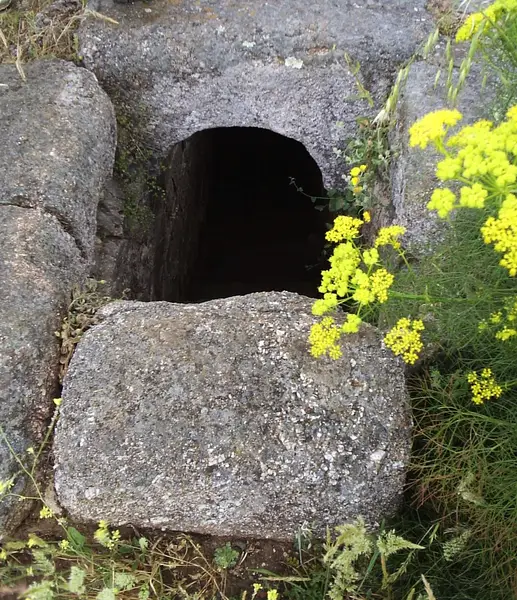 Las Tomas – Rabo de Buey aqueduct
Aqueduct
Mine/Quarryno photograph yet
Proserpina quarry 1
Mine/Quarry
Mine/Quarryno photograph yet
Proserpina quarry 2
Mine/Quarry
Mine/Quarryno photograph yet
Rojaneros quarry
Mine/Quarry
Villano photograph yet
Roman villa of Araya
Villa
Church/Chapelno photograph yet3facts
Hermitage of San Serván and San Germán
Church/Chapel
Centro de interpretación / Museo municipalno photograph yet2facts
Mérida Open Museum (MAM)
Centro de interpretación / Museo municipal
Bridgeno photograph yet2facts
Roman bridge of La Alcantarilla
Bridge
Dique / obra de contención romanano photograph yet2facts
Roman embankment on the Guadiana
Dique / obra de contención romana
Criptopórtico / cisterna romanano photograph yet1fact
Cryptoporticus on calle Almendralejo
Criptopórtico / cisterna romana
Necropolisno photograph yet1fact
Los Bodegones necropolis
Necropolis
Necropolisno photograph yet
Bridge necropolis
Necropolis
Necropolisno photograph yet
El Agua necropolis
Necropolis
Villano photograph yet
House-basilica by the Roman theatre
Villa
Villano photograph yet
La Fernandina: Roman farmstead and chamber tombs
Villa
Presa / embalse romanono photograph yet
Roman dam of Araya
Presa / embalse romano
Presa / embalse romanono photograph yet
Roman dam of Esparragalejo (Charca Grande)
Presa / embalse romano
Villano photograph yet
Roman farmstead at Cerro de las Palomas
Villa
Piscina limaria (decantador)no photograph yet
Settling tank of the Los Milagros aqueduct
Piscina limaria (decantador)
Roman roadno photograph yet
Vía de la Plata: Pa La Charca stretch
Roman road
Mansio romanano photograph yet4facts
Evandriana: Roman mansio and monastery of Cauliana
Mansio romana
Forumno photograph yet1fact
Provincial imperial cult complex (the old «Provincial Forum»)
Forum
Aqueductno photograph yet
Aqua Augusta: upper stretch of the Cornalvo aqueduct
Aqueduct
Villano photograph yet
Casa de la Torre del Agua
Villa
Roman roadno photograph yet
Roman road east of Augusta Emerita (Via XXV to Toletum)
Roman road
Roman roadno photograph yet
Roman road north-east of Augusta Emerita (Trujillanos stretch)
Roman road
Las Tomas – Rabo de Buey aqueduct
Aqueduct
Mine/Quarryno photograph yet
Proserpina quarry 1
Mine/Quarry
Mine/Quarryno photograph yet
Proserpina quarry 2
Mine/Quarry
Mine/Quarryno photograph yet
Rojaneros quarry
Mine/Quarry
Villano photograph yet
Roman villa of Araya
Villa
Church/Chapelno photograph yet3facts
Hermitage of San Serván and San Germán
Church/Chapel
Centro de interpretación / Museo municipalno photograph yet2facts
Mérida Open Museum (MAM)
Centro de interpretación / Museo municipal
Bridgeno photograph yet2facts
Roman bridge of La Alcantarilla
Bridge
Dique / obra de contención romanano photograph yet2facts
Roman embankment on the Guadiana
Dique / obra de contención romana
Criptopórtico / cisterna romanano photograph yet1fact
Cryptoporticus on calle Almendralejo
Criptopórtico / cisterna romana
Necropolisno photograph yet1fact
Los Bodegones necropolis
Necropolis
Necropolisno photograph yet
Bridge necropolis
Necropolis
Necropolisno photograph yet
El Agua necropolis
Necropolis
Villano photograph yet
House-basilica by the Roman theatre
Villa
Villano photograph yet
La Fernandina: Roman farmstead and chamber tombs
Villa
Presa / embalse romanono photograph yet
Roman dam of Araya
Presa / embalse romano
Presa / embalse romanono photograph yet
Roman dam of Esparragalejo (Charca Grande)
Presa / embalse romano
Villano photograph yet
Roman farmstead at Cerro de las Palomas
Villa
Piscina limaria (decantador)no photograph yet
Settling tank of the Los Milagros aqueduct
Piscina limaria (decantador)
Roman roadno photograph yet
Vía de la Plata: Pa La Charca stretch
Roman road
Mansio romanano photograph yet4facts
Evandriana: Roman mansio and monastery of Cauliana
Mansio romana
Forumno photograph yet1fact
Provincial imperial cult complex (the old «Provincial Forum»)
Forum
Aqueductno photograph yet
Aqua Augusta: upper stretch of the Cornalvo aqueduct
Aqueduct
Villano photograph yet
Casa de la Torre del Agua
Villa
Roman roadno photograph yet
Roman road east of Augusta Emerita (Via XXV to Toletum)
Roman road
Roman roadno photograph yet
Roman road north-east of Augusta Emerita (Trujillanos stretch)
Roman road
It is not called «de los Milagros» — of the Miracles — for any religious wonder: the name comes from local amazement that such a mass should still be standing century after century, to the point of taking it for a miracle.
Turismo de Extremadura0 listed
0 facts
Iron Age
2 sites cataloguedPeople were here before Rome. El Turuñuelo and the pottery kilns under the catering college belong to the Tartessian orientalising world, six centuries older than the colony.
1 listed
7 facts
Copper Age
2 sites cataloguedPrado de Lácara holds a megalithic funerary complex with at least two barrows — four thousand years before anyone thought of founding a Roman colony at the ford of the Guadiana.
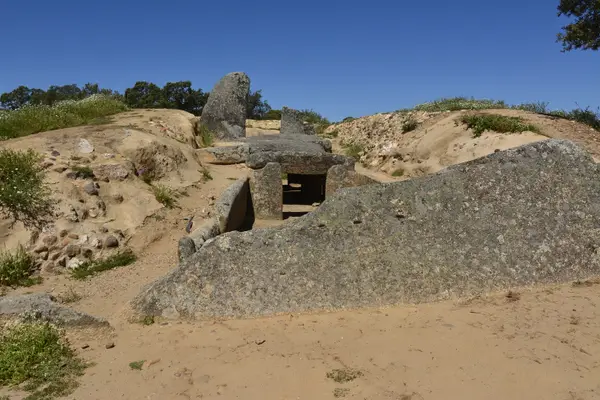 7facts
Prado de Lácara dolmen
Dolmen
Dolmenno photograph yet
Second megalithic barrow at Prado de Lácara
Dolmen
7facts
Prado de Lácara dolmen
Dolmen
Dolmenno photograph yet
Second megalithic barrow at Prado de Lácara
Dolmen
In the late 19th or early 20th century somebody blew the chamber's capstone off with dynamite: the dolmen was being used as a stone quarry.
Dolmen del prado de Lácara — Wikipedia1 listed
7 facts
Neolithic
2 sites cataloguedThe Lácara dolmen, with 24 metres of passage, is one of the largest megalithic tombs in the peninsula. It was already standing long before the idea of Mérida existed.
7facts
Prado de Lácara dolmen
Dolmen
Dolmenno photograph yet
Second megalithic barrow at Prado de Lácara
Dolmen
In the late 19th or early 20th century somebody blew the chamber's capstone off with dynamite: the dolmen was being used as a stone quarry.
Dolmen del prado de Lácara — WikipediaWhat people ask before coming
What can you see in Mérida for free?
The 17 € combined ticket covers nine enclosed sites — Theatre, Amphitheatre, Casa del Mitreo, Columbarios, Alcazaba, Casa del Anfiteatro, Basilica of Santa Eulalia, Morerías and Circus. Everything else in this catalogue is open ground. Without paying anything you can see the Milagros aqueduct, the Roman bridge over the Guadiana, the Temple of Diana from the street, the Forum Portico, the Arch of Trajan, the Proserpina and Cornalvo dams, and the Prado de Lácara dolmen.
How long do you need in Mérida?
The walled centre — Theatre, Amphitheatre, Temple of Diana, Forum Portico, Alcazaba and Roman bridge — is a comfortable four hours on foot. Add the Milagros aqueduct and the Circus and it is another 40 minutes of walking from the centre. What lies outside town (Proserpina, Cornalvo, Lácara, Casa Herrera) needs a car and a second day.
How much of the Milagros aqueduct is left?
A stretch of about 830 metres crossing the Albarregas valley, 25 metres tall at its deepest point, with 73 piers still standing. The fabric is opus mixtum: a concrete core faced with granite blocks alternating with courses of red brick, which is where its two-tone banding comes from. It carried water from the Proserpina dam, 5 km to the north-west. Free to visit, and lit at night.
Is there anything left of Visigothic and Islamic Mérida?
Yes, and almost nobody tells you about it: the xenodochium of bishop Masona (a 6th-century Visigothic hospital), the Visigothic collection of the National Museum of Roman Art in the church of Santa Clara, the Umayyad alcazaba with its cistern fed by the Guadiana, the basilica of Casa Herrera, and the full Roman–Visigothic–Islamic–Christian sequence exposed at the Morerías site.
Where are the objects found in the excavations?
Most are in the National Museum of Roman Art, including the original sculptures from the Forum Portico and the Temple of Diana — what you see on the monuments are casts. The Visigothic collection is in the church of Santa Clara, and the finds from the Lácara dolmen are in the provincial museum in Badajoz.
Is the 17 € combined ticket worth it?
Yes if you plan to enter three sites or more: bought separately, the Theatre and Amphitheatre alone come to 12 €. No if you are passing through and only have time for the Theatre. What the ticket does not cover is roughly half the catalogue: dams, aqueducts, dolmens and cemeteries are all free.