Basilica of Santa Eulalia
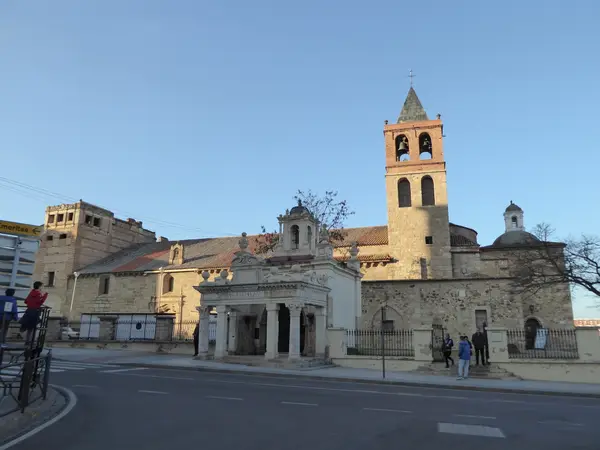
The basilica of Santa Eulalia of Mérida, a church sitting on the archaeological site of a martyr's shrine, now open to visitors as a crypt after the excavations begun in 1990. Part of the Archaeological Ensemble of Mérida, World Heritage (UNESCO, 1993); national monument (1912).
- Type
- Church/Chapel
- Preservation
- Standing
- Protection
- Listed · RI-51-0000123
- Listed
- 13/12/1912
- Coordinates
- 38.92065, -6.34216
- Photographs
- 13
What it is and what is left
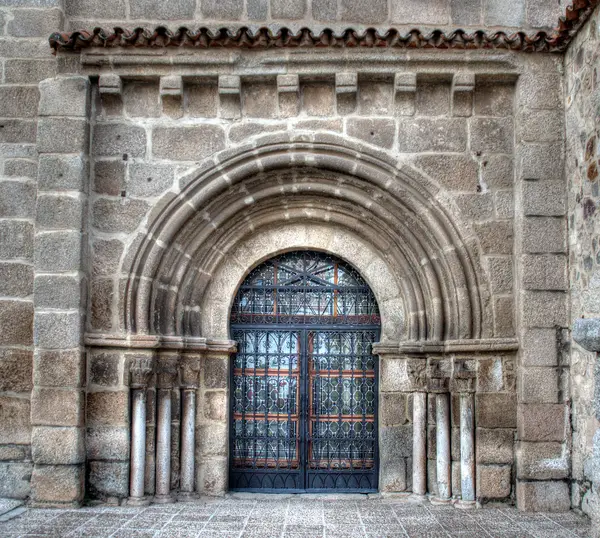
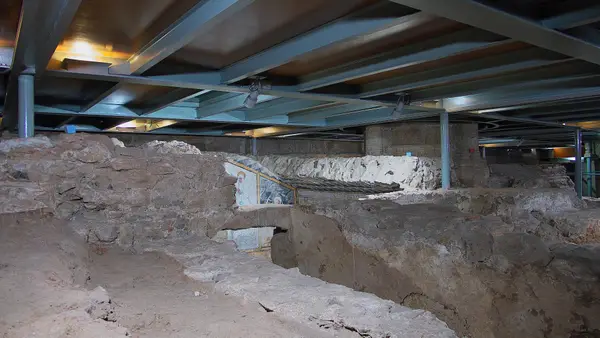
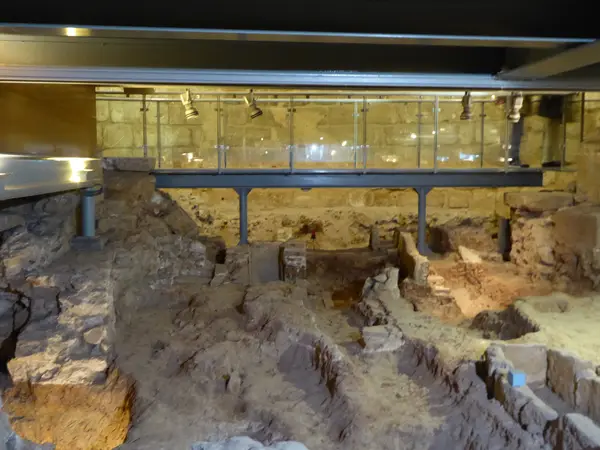
The ground beneath documents four phases: 1) Roman houses (domus) between the 1st and 3rd centuries AD; 2) in the 4th century, a Christian cemetery with a barrow or mausoleum in memory of the martyr Saint Eulalia (a late Roman martyrium); 3) above it, in the 5th century, a great Early Christian/Visigothic basilica, whose upper front survives closing the present apse; 4) the church visible today, Romanesque/late Romanesque, rebuilt around 1230 on the earlier plan.
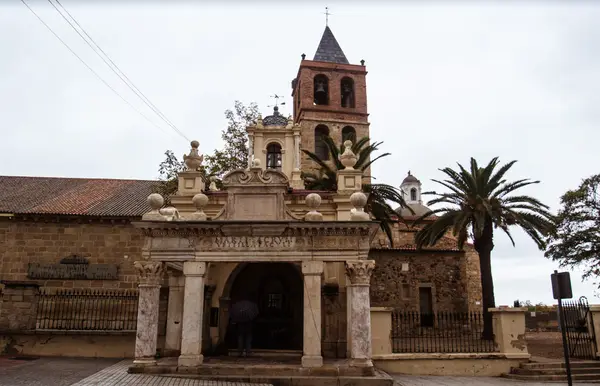
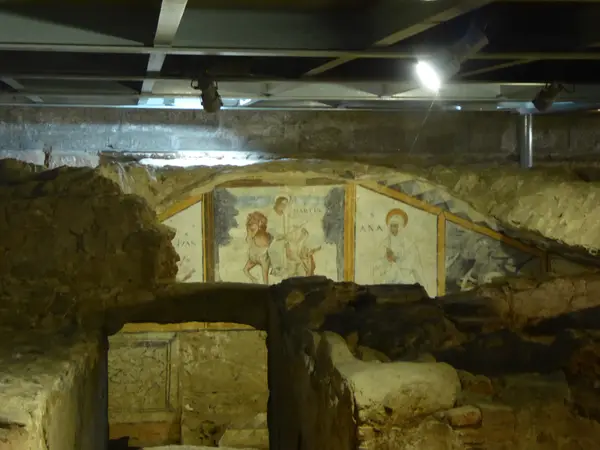
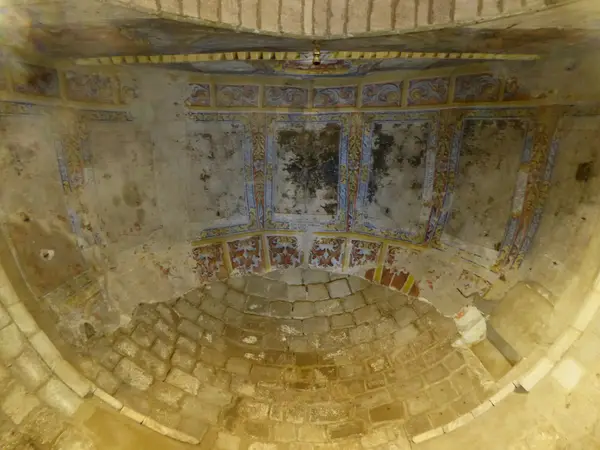
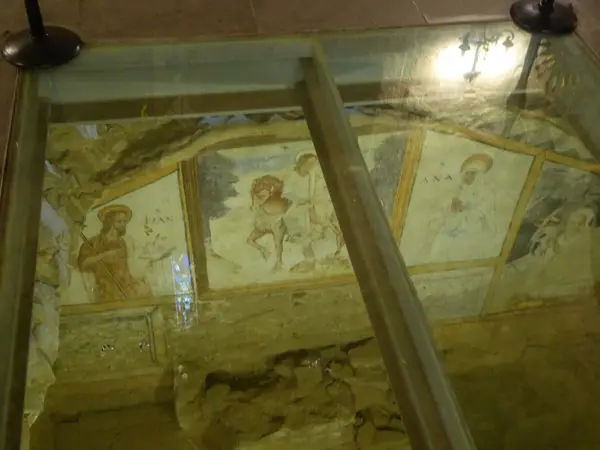
In the crypt you can make out the walls of the Roman houses, burials from the cemetery, remains of the martyr's mausoleum and Visigothic elements, with an interpretation centre. The «Hornito de Santa Eulalia», the chapel in the atrium, reuses material from a Roman temple dedicated to Mars. Well preserved and presented as a museum. (Whether the first basilica is Visigothic or 5th-century Early Christian varies from source to source.)
What each period left here
It reads downwards: each band is a period with fabric in this site, newest first, deepest last.
0 facts
0 photographs
Early modern
This site has fabric from this period. Mérida has 8 more sites built in the same layer.
See the whole layer →1 facts
0 photographs
Christian medieval
This site has fabric from this period. Mérida has 8 more sites built in the same layer.
See the whole layer →What lay underneath came to light by chance: refurbishment work on the church made it necessary to excavate below in 1990, and up came Roman houses, a 4th-century Christian cemetery, the martyr's mausoleum, the 5th-century basilica and the present church, raised from 1230 onwards. Eighteen hundred years stacked up.
Consorcio Ciudad Monumental de Mérida0 facts
0 photographs
Late Antique / Visigothic
This site has fabric from this period. Mérida has 7 more sites built in the same layer.
See the whole layer →0 facts
0 photographs
Roman
This site has fabric from this period. Mérida has 57 more sites built in the same layer.
See the whole layer →Below the deepest layer of each site is the ground itself: what has not been excavated yet, or what left nothing built. The catalogue only claims what is documented.
What is told about this site
The «hornito» on the front is built from the stones of a Roman temple: on its porch you can still read «Marti sacrum Vetilla Paculi», the dedication to Mars paid for by Vetilla, wife of Paculus, reused for a Baroque chapel in honour of a Christian martyr.
Ruta de la Plata — Templo de Marte y cripta de Santa EulaliaThe chapel is called the «hornito» — little oven — because tradition places there the oven in which Eulalia was put to death.
Ruta de la Plata — Templo de Marte y cripta de Santa EulaliaSeveral of the crypts that emerged in that excavation preserve wall paintings in very good condition.
Consorcio Ciudad Monumental de MéridaPhotographs
A short walk from here
Straight-line distances, worked out from the coordinates of each site.
Where this page comes from
- Cripta de la Basílica de Santa Eulalia — Consorcio de Mérida consorciomerida.org