Temple of Mars
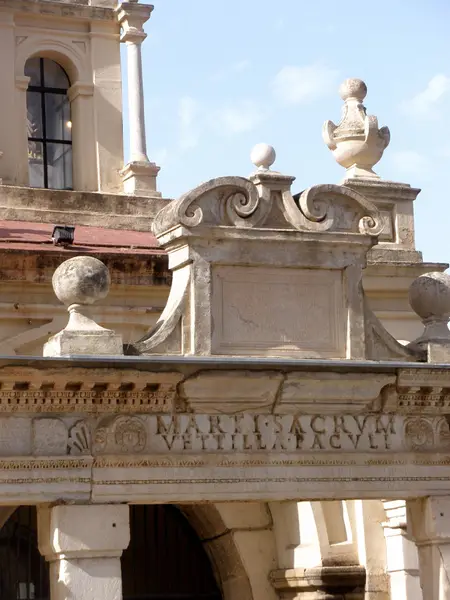
The so-called «Temple of Mars» of Augusta Emerita (Mérida) does not survive as a standing building, but through elements of its architectural front reused in the early modern period. It was a Roman temple dedicated to Mars, known from its inscription «MARTI SACRVM VETTILLA PACVLI» («consecrated to Mars by Vettilla, [wife] of Paculus»), a couple from Vercellae (northern Italy) settled in Emerita.
- Type
- Temple
- Preservation
- Standing
- Protection
- Listed · RI-51-0000119
- Listed
- 13/12/1912
- Coordinates
- 38.92048, -6.34181
- Photographs
- 7
What it is and what is left
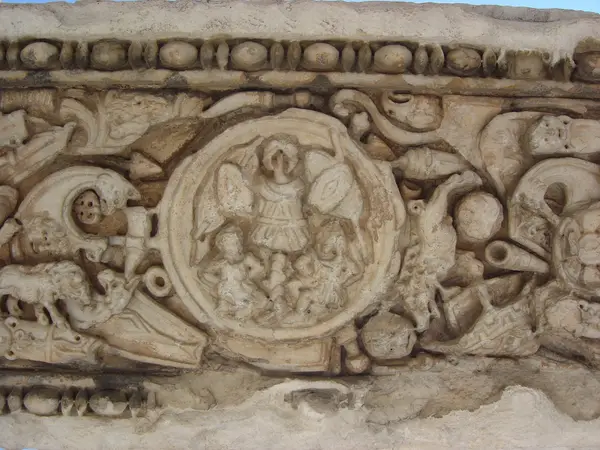
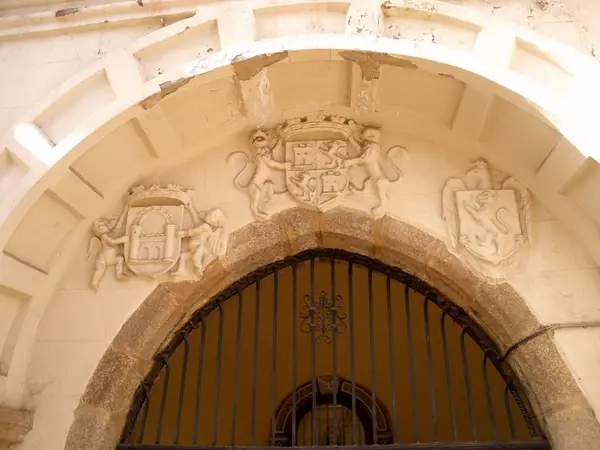
The date is disputed: popular accounts place it in the Julio-Claudian period (AD 54-68), while studies of the reliefs date them to the Antonine period (mid-2nd century AD). Two marble columns survive with Corinthian capitals carrying sections of entablature, with a frieze decorated with heads of Medusa and palmettes, and reliefs with martial attributes, animals and plant motifs.
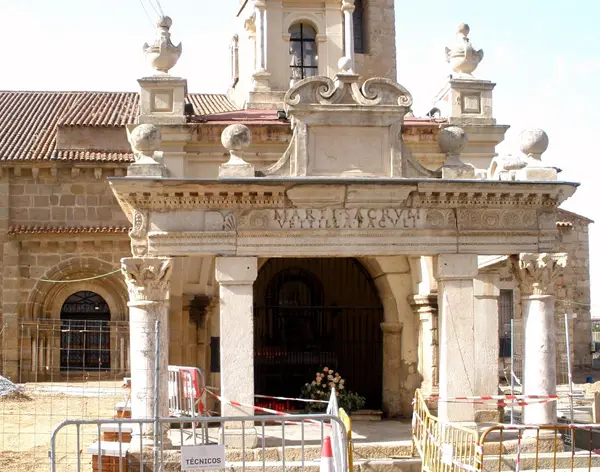
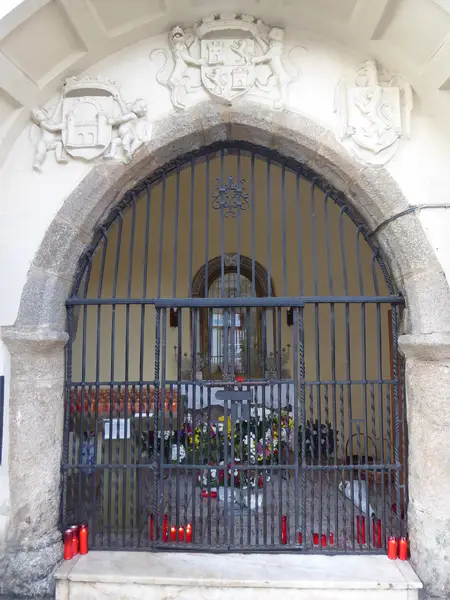
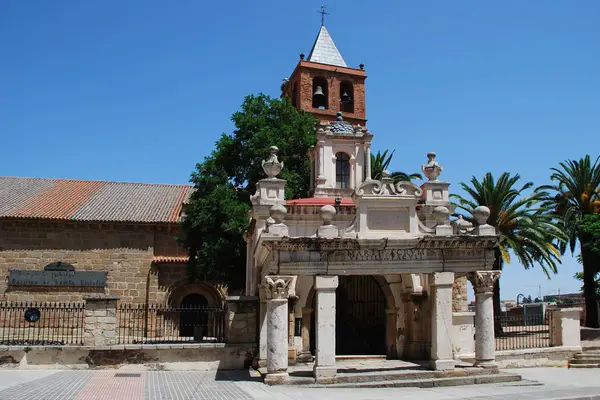
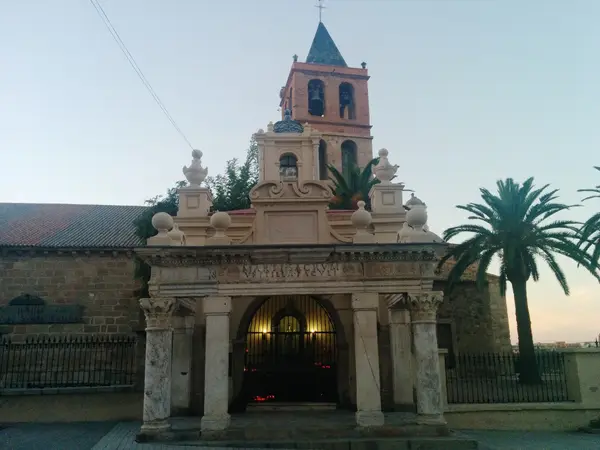
These fragments were set in the 17th century into the front of the «Hornito de Santa Eulalia», a niche-chapel beside the basilica that commemorates the saint's martyrdom. The temple's original site is debated (the municipal forum, or outside the walls beside the Albarregas); there is no consensus. Fragmentary but well preserved and visible at the Hornito. National monument (1912); World Heritage (UNESCO, 1993). (Location = that of the Hornito, not the temple's original site.)
Where the finds are
The architectural and decorative elements of the temple (friezes, entablature and the inscription to Mars by Vettilla Paculi) are reused in the front of the hornito raised beside the basilica of Santa Eulalia, which is what remains visible of the building today.
What each period left here
It reads downwards: each band is a period with fabric in this site, newest first, deepest last.
1 facts
0 photographs
Early modern
This site has fabric from this period. Mérida has 8 more sites built in the same layer.
See the whole layer →The Baroque work that embedded the marbles was finished in 1612, directed by the master Hernando de Contreras and paid for by the city of Mérida «with its alms and those of its jurisdiction», under governor Luis Manrique de Lara.
Extremadura: caminos de cultura — Restos del Templo de Marte en el Hornito0 facts
0 photographs
Roman
This site has fabric from this period. Mérida has 57 more sites built in the same layer.
See the whole layer →Below the deepest layer of each site is the ground itself: what has not been excavated yet, or what left nothing built. The catalogue only claims what is documented.
What is told about this site
A fourth complete architrave from the temple served as a doorstep until 1942, when it was finally moved to the National Museum of Roman Art. For centuries people simply trod on a piece of the temple front.
Extremadura: caminos de cultura — Restos del Templo de Marte en el HornitoThe Vettilla of the inscription would have had a full name and a husband with office: she is identified with Domitia Vettilla, married to Roscius Paculus, governor of Lusitania in the Antonine period. The style of the reliefs points to the last quarter of the 2nd century, which fits that couple and not the Julio-Claudian date.
Extremadura: caminos de cultura — Restos del Templo de Marte en el HornitoPhotographs
A short walk from here
Straight-line distances, worked out from the coordinates of each site.
Where this page comes from
- Hornito de Santa Eulalia — Consorcio de Mérida consorciomerida.org