The Alcazaba of Mérida
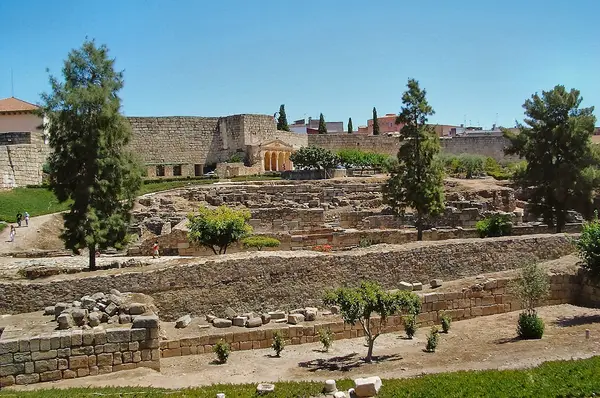
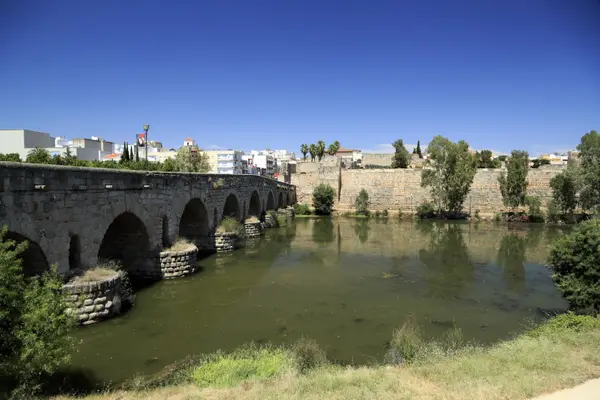
The Alcazaba of Mérida is an Umayyad fortress in the old Augusta Emerita, on the bank of the Guadiana beside the Roman bridge. It was ordered by the emir Abd al-Rahman II and, according to its foundation inscription, opened in the year 835 AD. It is held to be the oldest surviving Muslim fortification in the Iberian Peninsula. It answered the need to hold the city down after the revolts of its people, and it watched over the bridge crossing.
- Type
- Castle
- Preservation
- Standing
- Protection
- Listed · RI-51-0000124
- Listed
- 13/12/1912
- Coordinates
- 38.91444, -6.34667
- Photographs
- 20
What it is and what is left
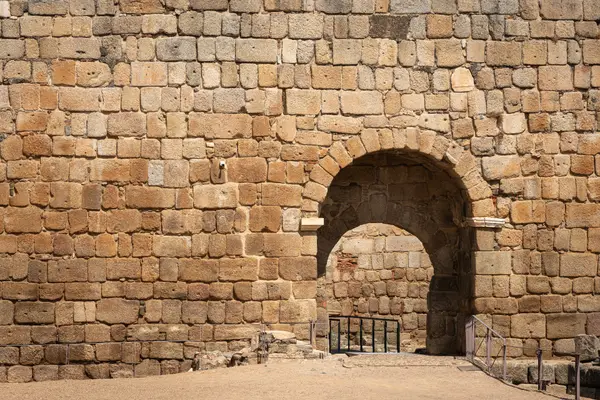
An almost square enclosure some 130 m a side (a perimeter of about 550 m), with walls around 2.70 m thick and 10 m high, topped by towers. The walls reuse granite ashlars (spolia) from Roman and Visigothic buildings, with a fill of earth, stone and mortar; the river side rests on a Roman retaining dyke.
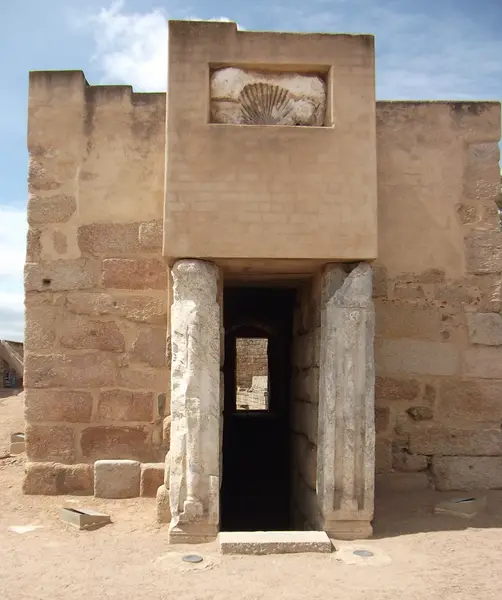
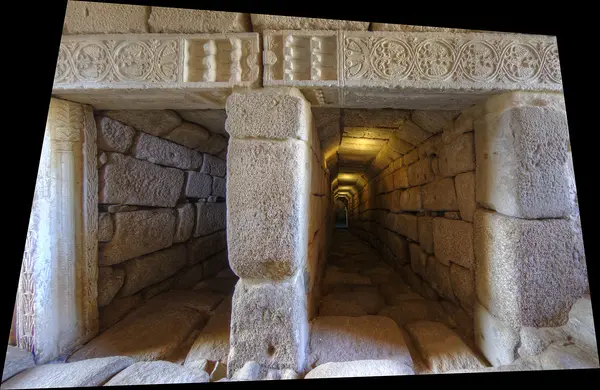
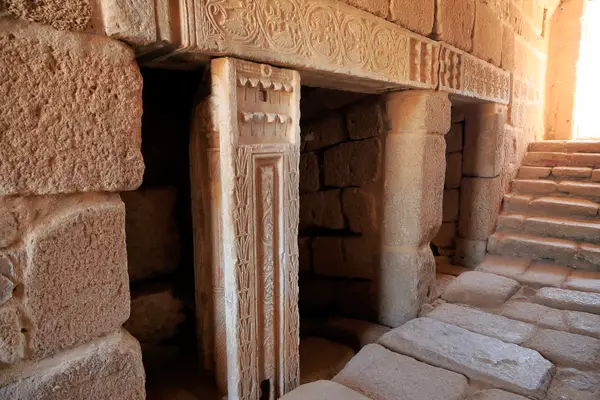
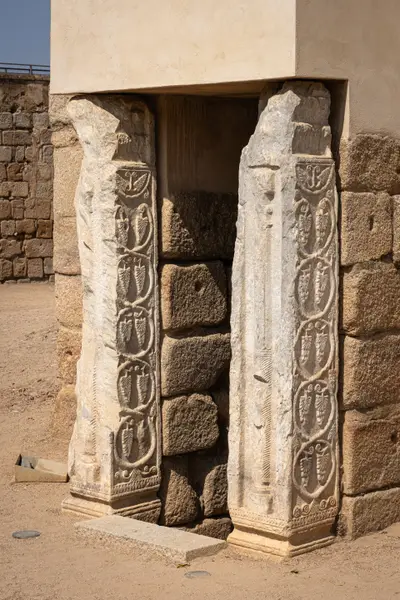
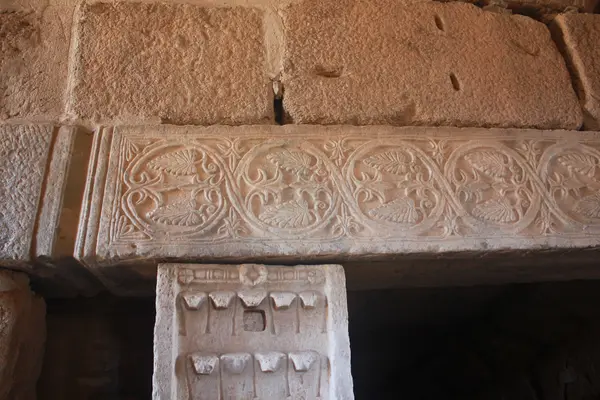
Its outstanding feature is the cistern, an underground tank reached by a double stair, fed by Guadiana water filtered through the ground; its pilasters are reused Visigothic pieces carved with plant motifs. Above it stood a small mosque and a watchtower.
Later the Order of Santiago installed a convent in the northern corner (from 1230; 16th century), today the seat of the regional government of Extremadura. Well preserved. National monument (1912); World Heritage (UNESCO, 1993).
What each period left here
It reads downwards: each band is a period with fabric in this site, newest first, deepest last.
0 facts
0 photographs
The Order of Santiago
Mérida falls in 1230, and the knights of Santiago build no new fortress: they move into the emiral one, repair it and put their commandery house inside. In the 16th century the convent in the northern corner grows a church and a cloister — and that cloister is where the regional government sits today. The Powder Tower is theirs too.
See the whole layer →1 facts
0 photographs
The emiral enclosure
In 835 Abd al-Rahman II ordered a square of 130 m a side closed off with walls 2.70 m thick and 10 m high — not to keep anyone out, but to hold the city down. Inside, the cistern was cut with its double stair, fed by Guadiana water filtered through the ground, and a small mosque with a signal tower was raised on top of it.
See the whole layer →It is the oldest Muslim fortification surviving in the Iberian Peninsula: the emir Abd al-Rahman II had it raised in the year 835, and not to defend the city from anyone outside, but to hold down a Mérida in permanent revolt.
Alcazaba de Mérida — Wikipedia0 facts
0 photographs
The city underneath
The fortress sits on Augusta Emerita and is built out of it: granite ashlars, funerary stelae and capitals pulled from Roman and Visigothic buildings, with the river side resting on a Roman retaining dyke that still holds the wall up. Inside the enclosure an intact stretch of Roman road has been excavated, along with the foundations of a 4th-century house with a peristyle, baths and mosaic floors.
See the whole layer →Below the deepest layer of each site is the ground itself: what has not been excavated yet, or what left nothing built. The catalogue only claims what is documented.
What is told about this site
The cistern is unique in peninsular archaeology: a tank reached by a double stair, filled with Guadiana water filtered naturally through the ground.
Consorcio Ciudad Monumental de MéridaGoing down into the cistern you meet two carved Visigothic pilasters that do not match anything around them: they are pre-Islamic pieces reused in the work, like the Roman ashlars, funerary stelae and capitals to be spotted all over the enclosure.
Consorcio Ciudad Monumental de MéridaThe seat of the Extremadura regional government is inside the alcazaba: in the mid-16th century the Order of Santiago raised a convent here with a church and a cloister, and that cloister is now where the regional government sits.
Consorcio Ciudad Monumental de MéridaThe fortress was planted on top of the Roman city, and it shows: inside the enclosure a perfectly preserved stretch of Roman road has been excavated and, between two roads, the foundations of a 4th-century house with a peristyle, baths, mosaic floors and marble revetment.
Consorcio Ciudad Monumental de MéridaExcavation has gone as far as recovering the street plan of the Islamic quarter inside the walls, and its mosque with it: there was a neighbourhood in here, not just a garrison.
CastillosNet — Alcazaba de MéridaWhen Mérida fell to the Order of Santiago in 1230, the knights did not raise a new fortress: they moved into the emiral alcazaba, improved it and built their commandery house inside. The Powder Tower is theirs too.
CastillosNet — Alcazaba de MéridaPhotographs
A short walk from here
Straight-line distances, worked out from the coordinates of each site.