Cornalvo aqueduct
The Cornalvo aqueduct, known in Roman times as the Aqua Augusta, is the oldest of the three water conduits that supplied Augusta Emerita (Mérida). It carried water from the springs beside the Cornalvo reservoir, some 7 km south of the city. The full run of the channel may have reached 75 to 90 km, which makes it one of the longest aqueducts in Roman Hispania.
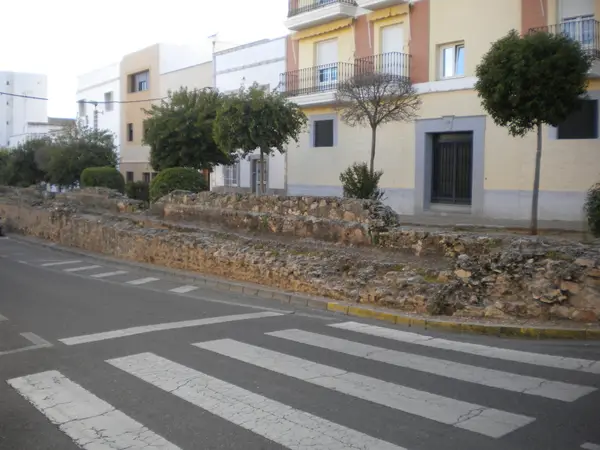
- Type
- Aqueduct
- Preservation
- Ruined
- Protection
- Listed · RI-53-0000148
- Listed
- 08/02/1973
- Coordinates
- 38.91349, -6.33855
- Photographs
- 2
What it is and what is left
It was built in the 1st century BC or the early 1st century AD, in the first decades of the colony, and stayed in use for several centuries. To cross the dip of the Albarregas stream the channel ran on an arcade, of which only three piers and the two arches joining them survive today. Archaeological analysis shows at least two building phases in those arches, evidence of repair and maintenance.
What is left of the urban stretch is spread over three spots: the Valverde de Mérida road (EX-307, km 2), the area around the Giner de los Ríos school, and calle Vía del Ensanche, opposite the Columbarios. In 1504 part of its material was reused to build a new aqueduct, which hastened its decay. It forms part of the Archaeological Ensemble of Mérida, a UNESCO World Heritage site since 1993.
What each period left here
It reads downwards: each band is a period with fabric in this site, newest first, deepest last.
3 facts
2 photographs
Roman
This site has fabric from this period. Mérida has 57 more sites built in the same layer.
See the whole layer →It is the oldest of the three aqueducts that supplied Augusta Emerita: Cornalvo water reached the city before that of Los Milagros or San Lázaro.
Acueducto de Cornalvo — WikipediaIn 2017 archaeologists in Mérida traced another 30 kilometres of channel, on top of the 40 already known. That makes Cornalvo one of the longest aqueducts in the peninsula, and 75–90 km is now a realistic figure.
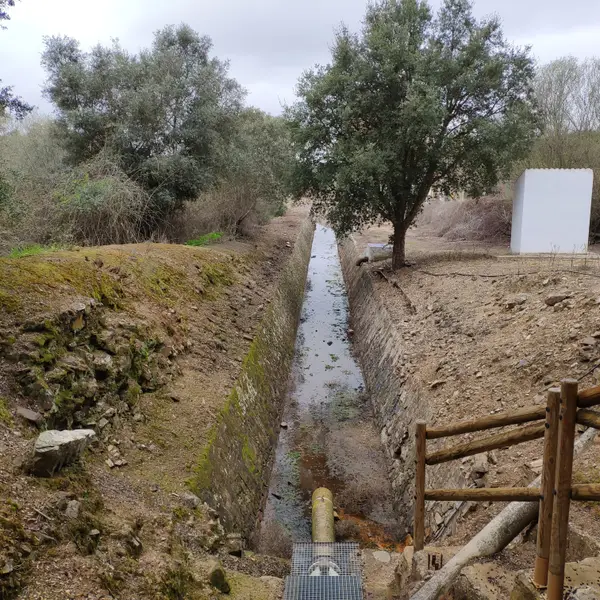
La túnica de Neso — Descubren nuevos kilómetros del acueducto de CornalvoThe channel that carried the water was barely 0.5 × 1.5 m, lined inside with opus signinum, a mortar of lime and crushed pottery that kept it from seeping: seventy kilometres of waterproof plumbing, done by hand.
Acueducto de Cornalvo — Wikipedia
Below the deepest layer of each site is the ground itself: what has not been excavated yet, or what left nothing built. The catalogue only claims what is documented.
A short walk from here
Straight-line distances, worked out from the coordinates of each site.
Where this page comes from
- Acueducto de Cornalvo - Wikipedia es.wikipedia.org
- Aqva Avgvsta - Consorcio Ciudad Monumental de Mérida consorciomerida.org
- Arqueólogos de Mérida descubren 50 nuevos km de acueducto romano en Cornalvo - La Túnica de Neso (2017) latunicadeneso.wordpress.com